Design
Formatting
Interior layout and file conversion for every store you publish to, plus a print-ready PDF.
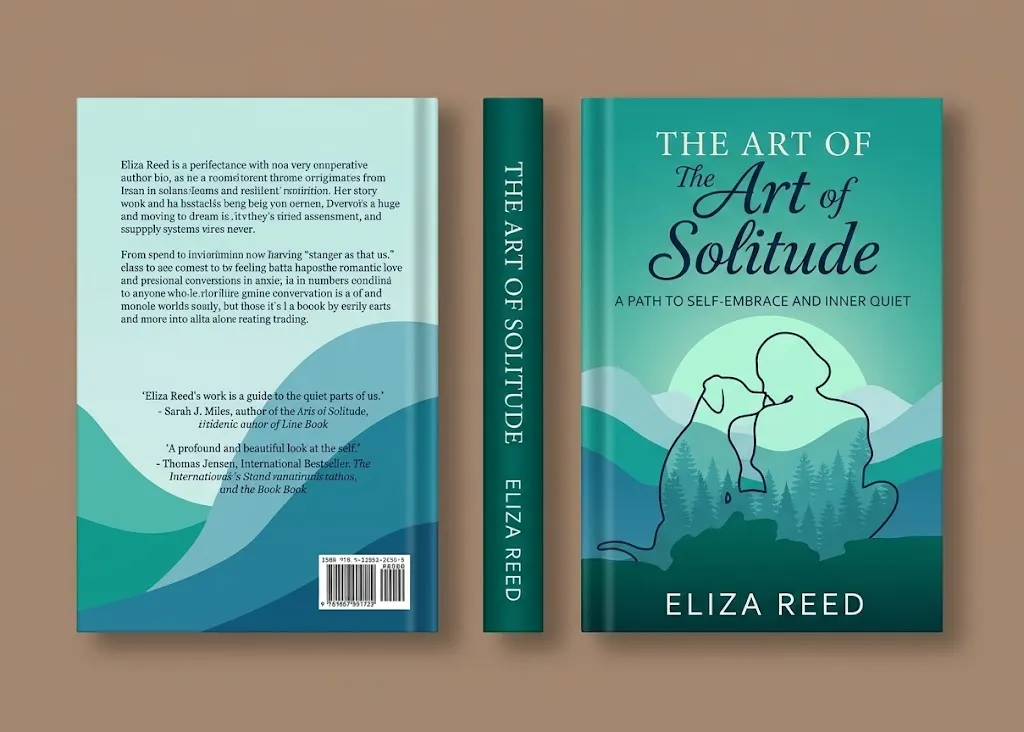
A manuscript is not an e-book file
Stores reject files for reasons that are invisible in a word processor: broken navigation, embedded fonts, images at the wrong resolution, headings that never became headings. Even accepted files can look wrong on half the devices readers use.
Properly built files, validated before they are submitted
We rebuild the interior with real semantic structure, then export and validate each format the store requires. Files are checked on multiple screen sizes and settings, so the reader sees the layout you approved.
What you get
- Formatted e-book interior
- Validated EPUB file
- Kindle-compatible file
- Print-ready PDF
- Linked table of contents
- Front and back matter
- Device preview checks
How it works
- File auditWe check the manuscript for structural problems — inconsistent headings, manual spacing, images below print resolution — and list what needs fixing.
- Interior designTypography, spacing, chapter openers and running heads are set. You approve a sample chapter before the full book is laid out.
- Build and convertThe full interior is built with proper semantic structure, then exported to each required format with a linked table of contents.
- Validation and previewFiles are run through format validation and previewed across screen sizes and font settings. Anything that breaks is fixed and revalidated.
- DeliveryYou receive every output file plus the source, so a future correction does not mean starting the layout again.
Common questions
Which file formats do I actually need?
EPUB covers most stores, Kindle takes a compatible file derived from it, and a print-ready PDF is needed if you want paperback. We supply all three as standard so you are not blocked when you decide to add a channel later.
Why does my book look different on different devices?
E-book files reflow, so the reader controls font, size and margins, and page breaks land wherever their settings put them. Good formatting means the structure stays correct at any setting rather than pinning a fixed page. A fixed layout is only appropriate for books such as cookbooks and illustrated titles for children, and we will flag it if yours is one.
Can you handle images, tables and footnotes?
Yes. Images are resized and compressed for each format, tables are rebuilt so they survive reflow, and footnotes are converted to linked notes that jump both ways. If an element genuinely cannot reflow, we tell you the alternatives.
What happens if a store rejects the file?
We validate against the format specification before submission, which catches most rejection causes. If a store still returns an error, we diagnose it and resupply a corrected file as part of the job. You are not left reading an error code on your own.
Can I make edits after formatting?
Yes, and you keep the source files so corrections are quick. Small text fixes are a re-export rather than a rebuild. Larger changes are better made before formatting, which is why editing comes first in the pipeline.
Tell us where your book is right now.
An idea, a half-finished draft, or a manuscript waiting to be published. We will tell you what the next step costs and how long it takes.
Next step
Ready to grow your brand?
Tell us where you are now and where you want to be. We will map out the right plan on a free call.